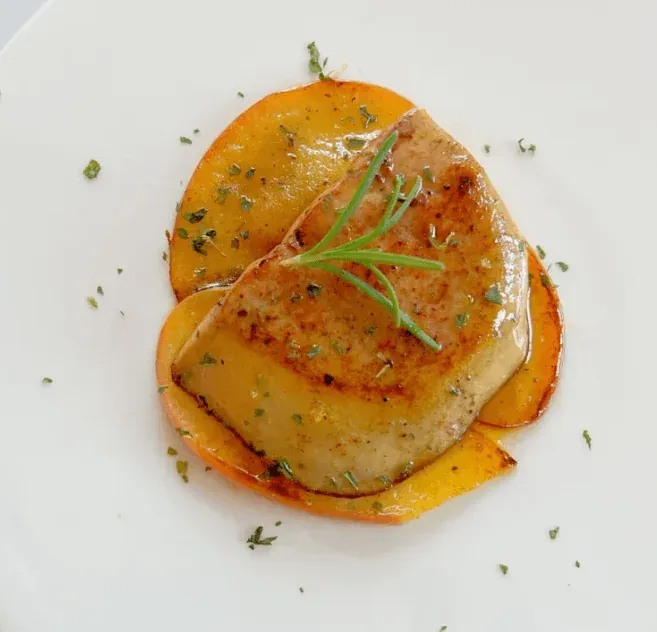
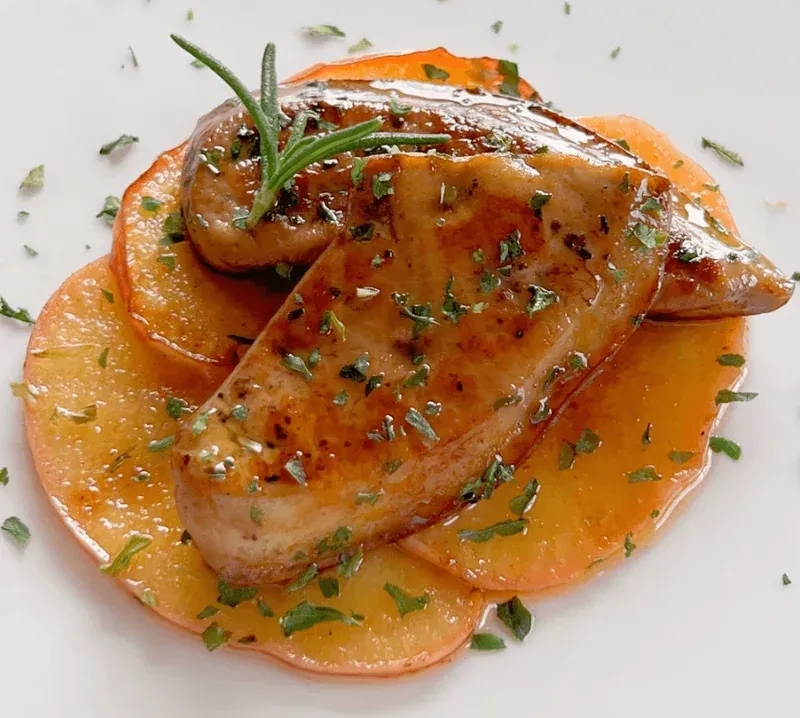
Foie gras, a symbol of culinary indulgence, is a dish that demands both respect and precision. Originating from the refined kitchens of France, it consists of the enlarged liver of a duck or goose. When expertly seared, it yields a crisp, golden exterior, unveiling a buttery center that melts effortlessly on the palate. This delicacy is traditionally served as an appetizer, often complemented by sweet or tangy accompaniments like balsamic reductions, fig preserves, or tart berries, to balance its opulent richness.
📋 Essential Ingredients
- 200g Fresh Foie Gras (Preferably Grade A duck or goose liver)
- 2 slices Rich Brioche bread
- 1 teaspoon Sea salt, preferably Fleur de sel
- 1/2 teaspoon Freshly ground black pepper
- 2 tablespoons Reduction of Balsamic vinegar or Port wine
- 2 Fresh figs or a handful of raspberries (for garnish)
- A few sprigs of Microgreens (for garnish)
🔪 Traditional Cooking Method
Step 1: Preparation and Scoring
- Keep the foie gras chilled right until preparation. Slice the liver into thick rounds, about 2–3 cm thick. Using a sharp knife, score a delicate cross-hatch pattern on each side of the medallions to aid in fat rendering and to enhance texture.
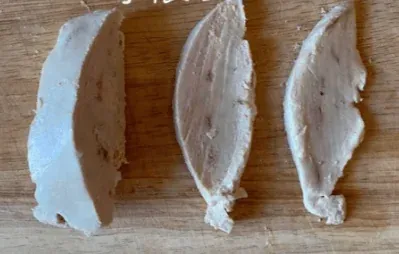
Step 2: Cooling the Medallions
- Return the scored medallions to the refrigerator for 10–15 minutes. This step is crucial; if the foie gras is too warm before searing, it will dissolve into liquid fat without forming a crust.
Step 3: High-Temperature Searing
- Preheat a heavy-bottomed skillet, either stainless steel or cast iron, over high heat. Avoid adding oil or butter since foie gras is inherently fatty. Once the pan lightly smokes, place the cold medallions in. Allow them to sear for precisely 45–60 seconds undisturbed, until a rich brown crust develops.
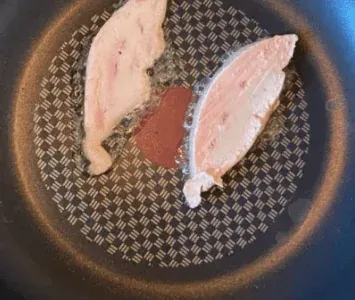
Step 4: Flipping and Seasoning
- Carefully turn the medallions using a palette knife. Sear the other side for an additional 30–45 seconds. The center should maintain a soft, springy texture. Immediately season with sea salt and black pepper while still in the pan.
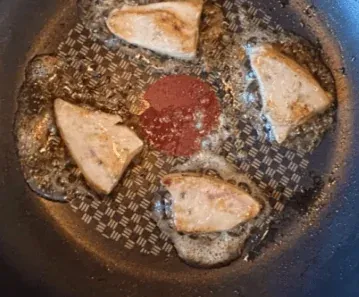
Step 5: Toasting the Brioche
- Remove the foie gras and let it rest on a warmed plate momentarily. Swiftly toast the brioche slices in the same pan, utilizing the rendered duck fat for added flavor, until they achieve a golden hue.
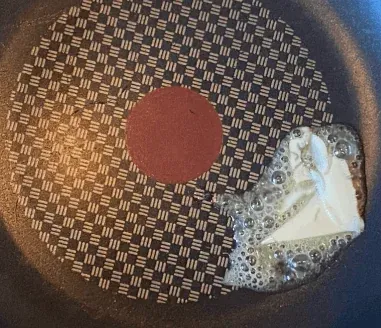
Step 6: Presenting the Dish
- Arrange the toasted brioche on a serving plate, crown it with the seared foie gras, and drizzle with the balsamic glaze. Garnish with the chosen fruit and microgreens. Serve immediately to enjoy the contrast in temperatures and flavors.
Essential Tips and Techniques
- Temperature Mastery: Keep the foie gras extremely cold before it goes into the hot pan, which should be preheated to a high temperature.
- Preserve the Fat: The rendered fat, known as duck fat, is a culinary treasure. Save it after cooking to enhance the flavor of roasted potatoes or vegetables.
- Avoid Overcrowding: Sear only a few medallions at a time to maintain the pan’s heat and ensure effective searing.
- Acidity is Key: Foie gras’s richness necessitates an acidic counterpart. If balsamic glaze is unavailable, consider a squeeze of lemon or a tart berry sauce.
🧪 Nutritional Information (Per Serving)
- Calories: Approximately 450 kcal
- Protein: 8 g
- Total Fat: 40 g (Rich in monounsaturated fats)
- Carbohydrates: 11 g (Mainly from brioche and glaze)
- Vitamin A: About 170% DV (Exceptionally high in Vitamin A)
- Iron: 14% DV