Foie gras is a delicacy that has enchanted gourmets for centuries, celebrated for its luxurious texture and rich flavor. To savor it in its most authentic form involves a precise culinary process that honors its origins.
📋Ingredients
- 200g Fresh raw Foie Gras (Grade A duck or goose liver)
- 2 slices Brioche bread, cut thickly
- 1 teaspoon Fleur de sel or Maldon sea salt
- 1/2 teaspoon Freshly cracked black pepper
- 2 tablespoons Balsamic glaze or Port wine reduction
- 2 Fresh figs or a handful of raspberries for garnish
- A few sprigs of Microgreens for garnish
🔪Traditional Preparation
Step 1: Preparation of the Foie Gras
- Keep the foie gras chilled until use. Cut into thick slices about 2–3 cm. Score each slice with a crosshatch pattern using a sharp knife to enhance the rendering of fat and texture.
Step 2: Chilling for Perfection
- Return the scored foie gras to the fridge for 10–15 minutes. This is crucial to prevent melting during cooking.
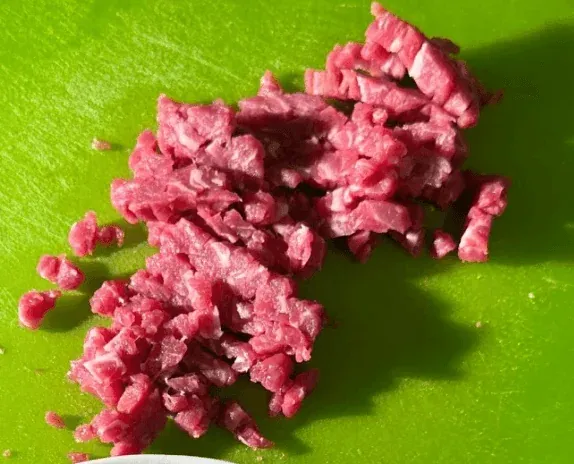
Step 3: Searing the Foie Gras
- Heat a stainless steel or cast-iron skillet over high heat, without adding any fat. The foie gras itself is rich in fatty content. Once the pan is just smoking, place the chilled foie gras slices in and sear for 45–60 seconds until a golden crust forms.
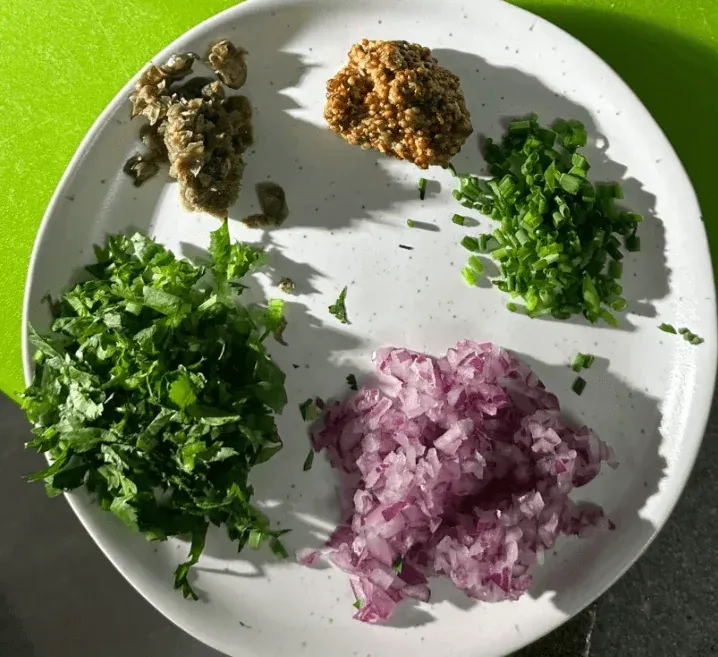
Step 4: Flipping and Seasoning
- Flip the foie gras delicately, searing the other side for an additional 30–45 seconds. It should remain soft within. Season with salt and pepper as it cooks.
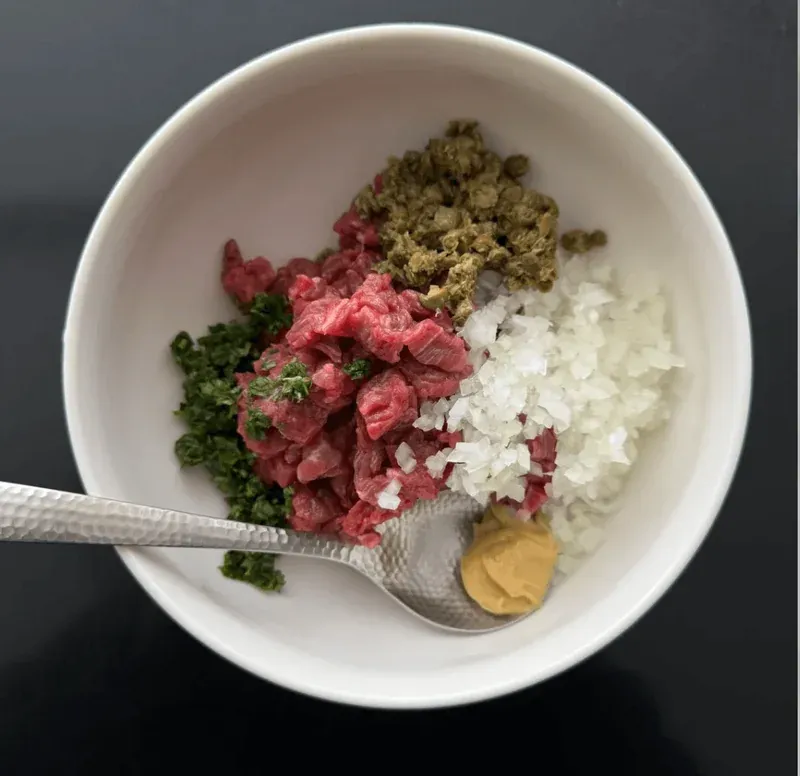
Step 5: Toasting the Brioche
- After removing the foie gras, use the rendered fat to toast the brioche slices until crisp and golden.
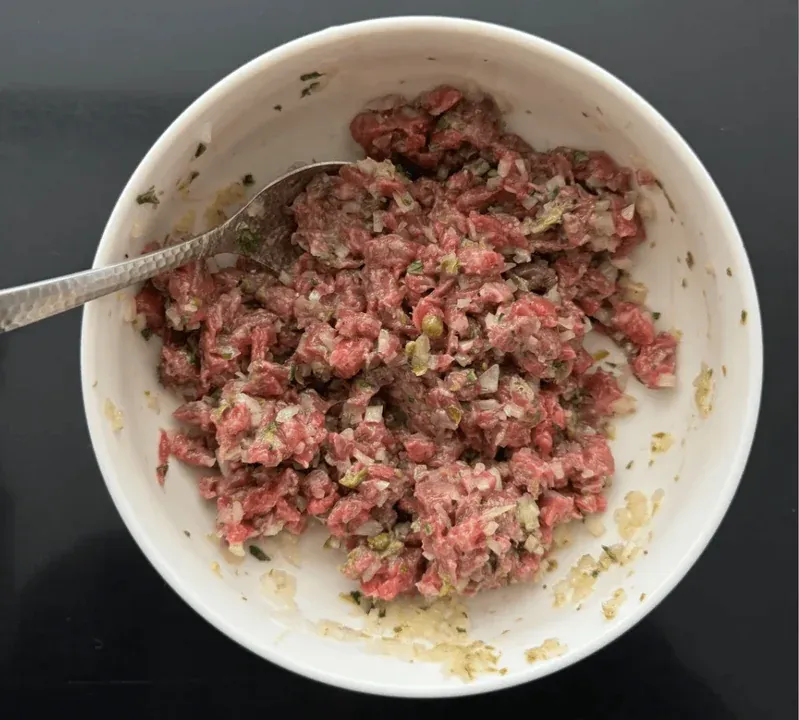
Step 6: Elegant Plating
- Assemble the dish by placing the foie gras on the toasted brioche. Drizzle with balsamic glaze and garnish with figs or raspberries and microgreens. Serve while warm for the best experience.
Essential Tips for Success
- Temperature Mastery: Ensure the foie gras is extremely cold and the pan is intensely hot to achieve the ideal sear.
- Preserve the Fat: The rendered duck fat is a culinary treasure. Save it for future use in roasting or frying.
- Controlled Cooking: Sear only a few slices at once to maintain the pan’s heat and avoid steaming.
- Balancing Acidity: Pair the dish with acidic elements like balsamic or a berry compote to counterbalance the richness.
🧪Nutrition Information (Per Serving)
- Calories: Approximately 465 kcal
- Protein: 9 g
- Total Fat: 43 g (Rich in monounsaturated fats)
- Carbohydrates: 12 g (Mostly from brioche and glaze)
- Vitamin A: 180% DV
- Iron: 15% DV