As the frigid grip of winter takes hold, the arrival of Dongzhi (Winter Solstice) marks a pivotal moment in the Chinese calendar. This occasion is not only a celestial event but also a time for family gatherings and culinary traditions. With the year’s shortest day and longest night, people come together to share warmth and stories, often centered around a table filled with hearty winter dishes.
The Song Dynasty poet, Fan Chengda, captured the essence of this transition in his poem Man Jiang Hong. He beautifully articulated the dawn of a new year as the sun begins its ascent once more:
“Spring arises in the cold valley… the nascent sun heralds the start of a new year, beneath clear and solemn auspicious clouds.”
In the southern regions of China, Nian Gao (Rice Cakes) are a staple of the Dongzhi celebration. The term Nian Gao is a homophone for “Yearly Growth,” symbolizing aspirations for prosperity and progress. This dish, rich in cultural significance, is enhanced with “Winter Treasures” such as bamboo shoots and shiitake mushrooms, creating a meal that is both meaningful and delicious.
📋 Ingredients (Serves 2)
- 250g (approx. 9 oz) Sliced Rice Cakes (Nian Gao): Seek out the flat, oval-shaped variety typically found in the refrigerated or frozen sections of Asian markets.
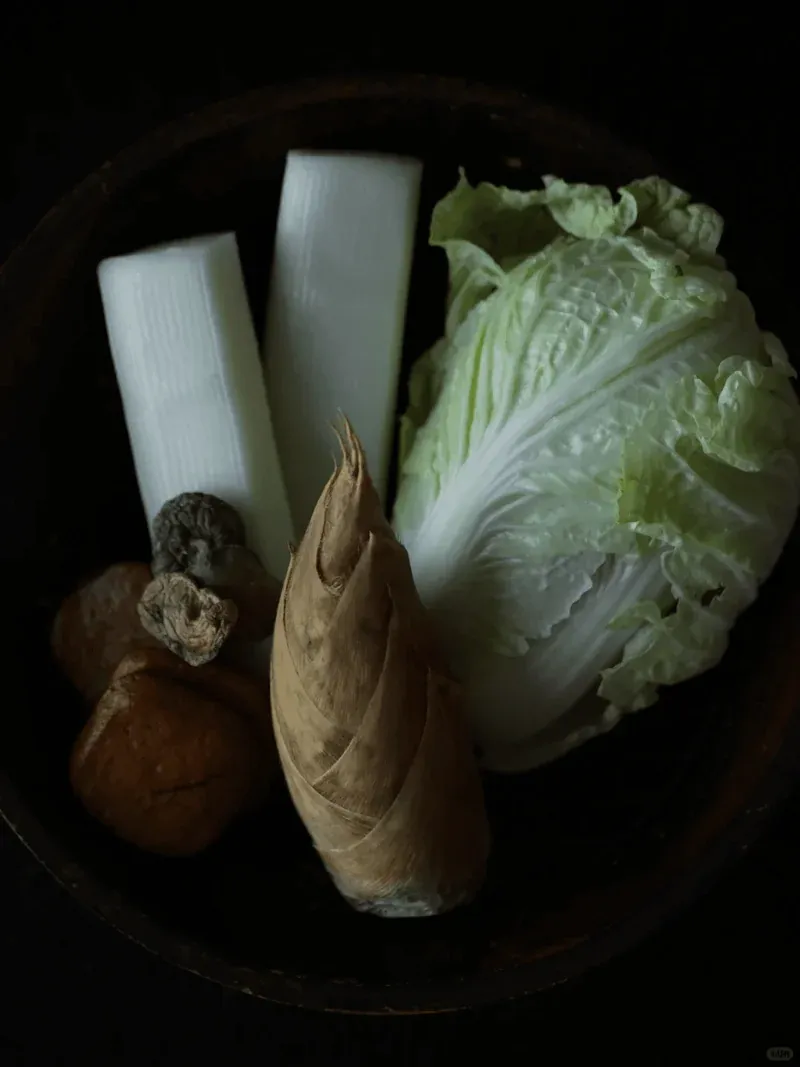
- 60g (2 oz) Winter Bamboo Shoots: Cut into fine matchsticks. These are considered the “gold” of the winter season.
- 100g (3.5 oz) Napa Cabbage: Shredded to lend natural sweetness and moisture.
- 40g (1.5 oz) Shiitake Mushrooms: Sliced to bring a robust umami flavor.
- 2 Cloves Garlic: Finely minced.
- 1 tbsp Light Soy Sauce: Adds a savory depth to the dish.
- Pinch of White Pepper: Imparts a gentle, warming heat.
- Garnish: A sprinkle of toasted sesame seeds for added texture.
🔪 Instructions
Step 1: Preparing the Rice Cakes
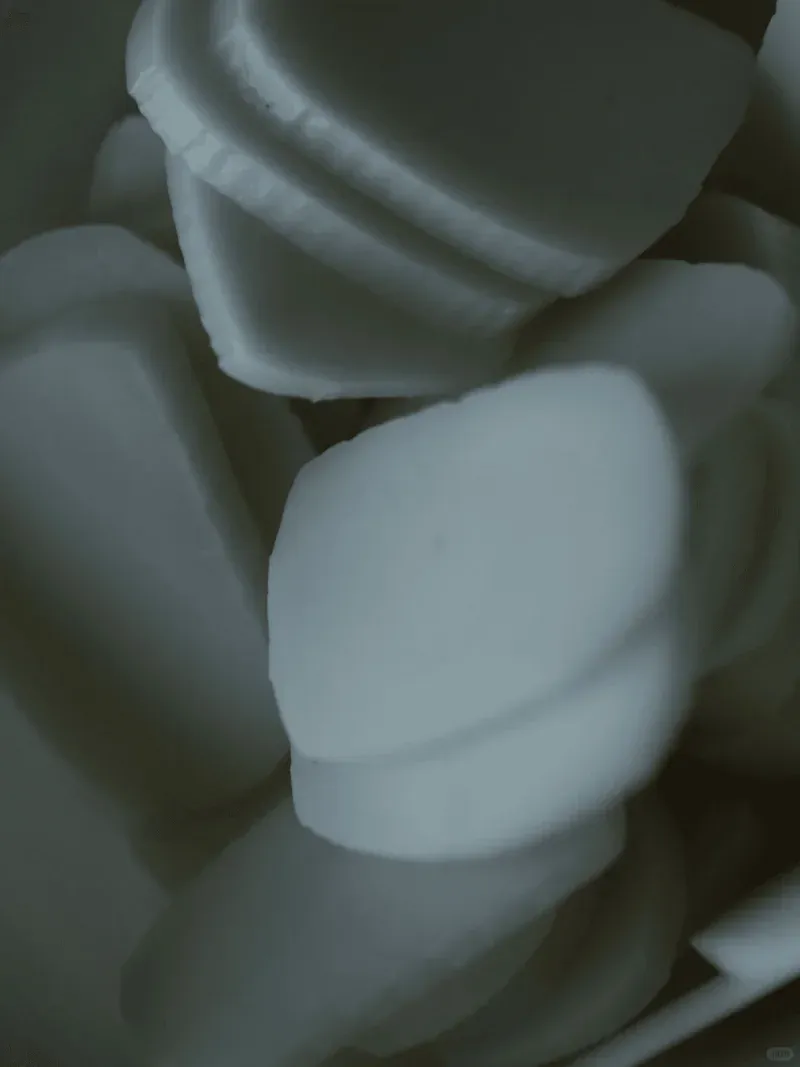
Begin by boiling a pot of water. Briefly blanch the rice cake slices for about a minute until they soften yet remain firm. Drain and set them aside.
- Cultural Note: This quick blanching ensures the rice cakes do not stick to the pan, achieving the sought-after “Muji-muji” (Chewy-Sticky) texture.
Step 2: Infusing Aromatics
Heat a tablespoon of oil in a wok or large skillet over medium-high heat. Add the minced garlic and cook until its aroma fills the kitchen.
Step 3: Embracing the Winter Harvest
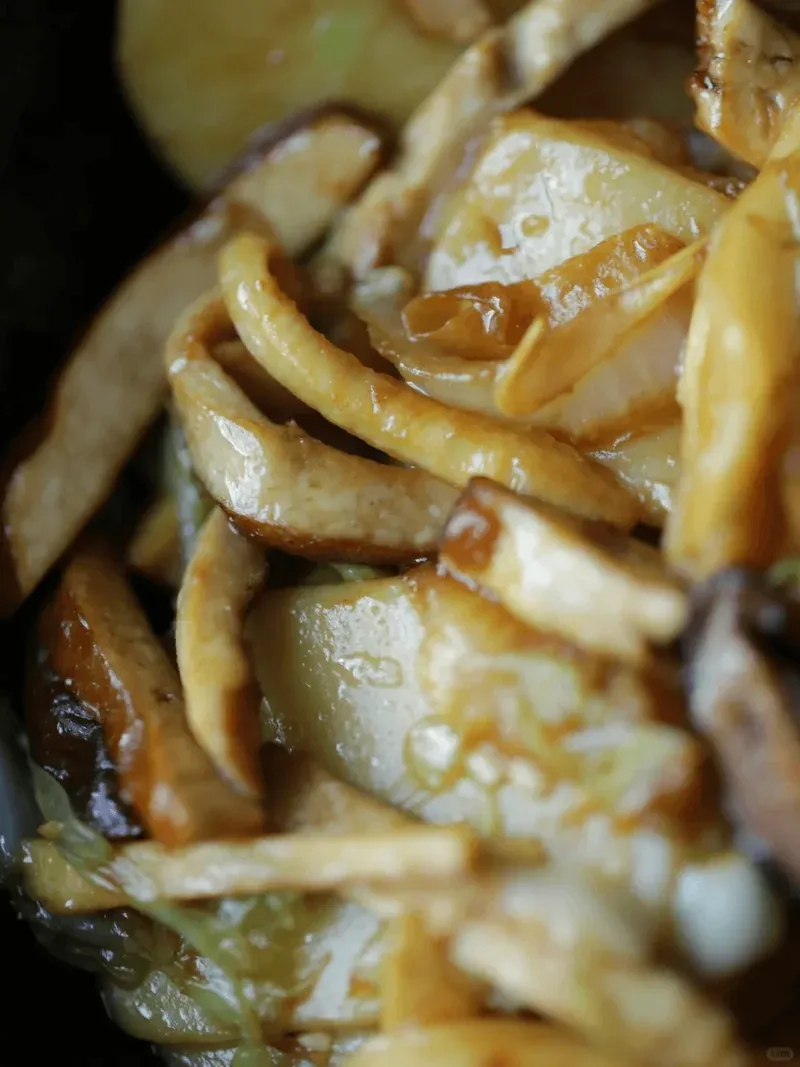
Add the winter bamboo shoots and sauté for about 3-4 minutes. The bamboo shoots take time to absorb the garlic-infused oil. Next, introduce the Napa cabbage and shiitake mushrooms. Season with a pinch of salt and light soy sauce, stirring until the cabbage wilts slightly.
Step 4: Bringing It All Together
Incorporate the blanched rice cakes into the pan, stirring for 1-2 minutes to allow them to absorb the savory juices of the vegetables.
Step 5: The Final Flourish
Finish with a sprinkle of white pepper and toasted sesame seeds. The white pepper is crucial for its “internal warmth,” a hallmark of winter solstice cuisine. Serve immediately to enjoy the rice cakes at their peak chewiness.
💡 Traditional Wisdom Meets Culinary Delight
Through the lens of Traditional Chinese Medicine, as chronicled by the Ming Dynasty sage Li Shizhen in his Compendium of Materia Medica (Bencao Gangmu), we gain insight into the health benefits of this meal:
- Nian Gao (Rice Cakes): Compared to “condensed ointment,” glutinous rice is thought to “Nourish the Middle Qi,” offering sustained energy during the cold winter days.
- Winter Bamboo Shoots: Known for their “Sweet and Cold” properties, they support stomach and large intestine meridians, aiding in hydration and circulation.
- Shiitake Mushrooms: Dubbed the “Mushroom of Longevity,” they are said to “dispel wind and alleviate blood stasis,” serving as a natural immune enhancer.
- Napa Cabbage: A staple of winter, it “clears the chest and alleviates thirst from alcohol,” making it a perfect detoxifying vegetable for the season.
💡 SEO and Culinary Tips
- Emphasizing Texture: Western audiences are captivated by the “Q texture.” Use relatable terms like “Savory Mochi,” “Chewy Rice Cakes,” and “Oriental Gnocchi” to describe the dish’s mouthfeel.
- Seasonal Connection: Highlight the link to the Winter Solstice (Dec 21/22) for time-sensitive, seasonal searches.
- Vegetarian-Friendly: Naturally vegetarian, this dish can also be vegan with plant-based soy sauce options. It’s ideal for a “Meatless Monday” meal during winter.
🧪 Nutritional Breakdown (Per Serving)
- Calories: Approximately 295 kcal
- Protein: 7g
- Total Fat: 6g
- Carbohydrates: 58g
- Fiber: 5g
- Nutrient Highlight: Rich in Vitamin K (from cabbage) and essential minerals from bamboo shoots.