In the realm of Chinese culinary arts, the Peony holds an esteemed position, celebrated for its association with prosperity and beauty. As the “Guochao” or Chinese Chic movement gains momentum, traditional pastries like the Peony Cake have been rejuvenated. These intricate desserts, resembling the delicate layers of the Peony flower, are not just confections but edible works of art. They are perfect for both festive celebrations like Lunar New Year and sophisticated gatherings such as tea parties.
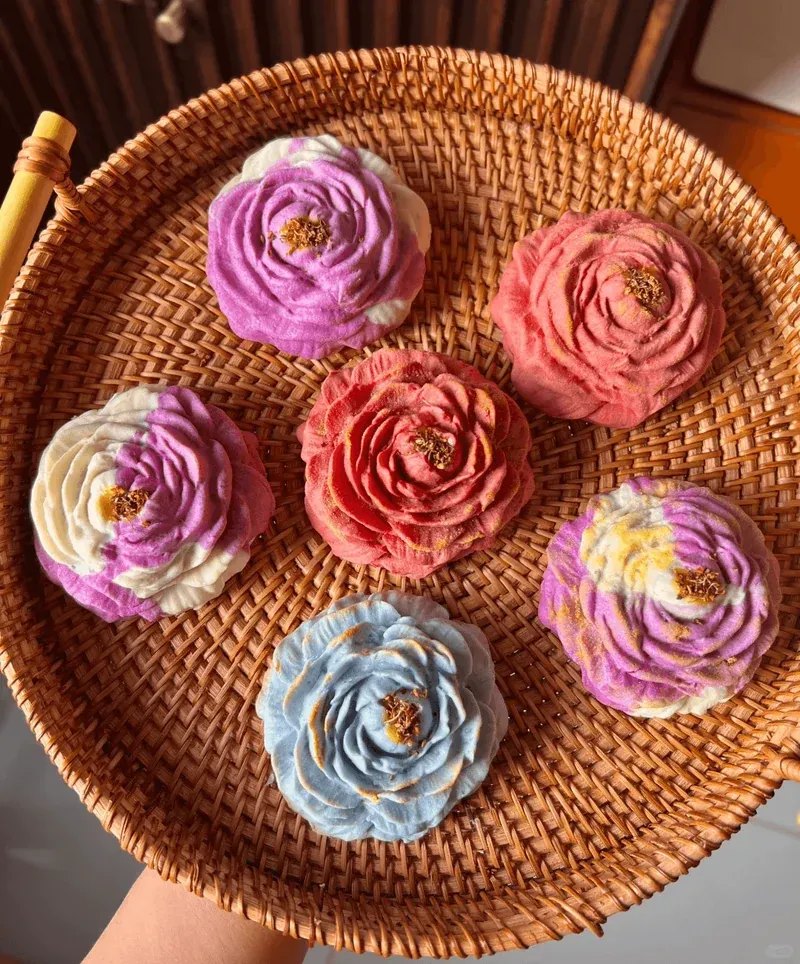
📋 Ingredients for Crafting 12 Peony Pastries
Creating the Perfect Dough
- 98g (approx. 3.5 oz) Rendered Pig Lard: Essential for achieving the desired crispness and white hue. (Alternative: Unsalted Butter, which imparts a richer aroma but alters color.)
- 84g (approx. 3/4 cup) Powdered Sugar: Provides a subtle sweetness that melts in your mouth.
- 72g (approx. 1/3 cup) Whole Milk: Adds a creamy richness.
- 44g (approx. 1 large) Egg White: Acts as a binder, ensuring the petal shapes hold.
- 270g (approx. 2 cups) All-Purpose Flour: Forms the structural base of the pastry.
- 94g (approx. 3/4 cup) Cornstarch: Contributes to the crumbly texture.
Natural Color Palette for the Petals
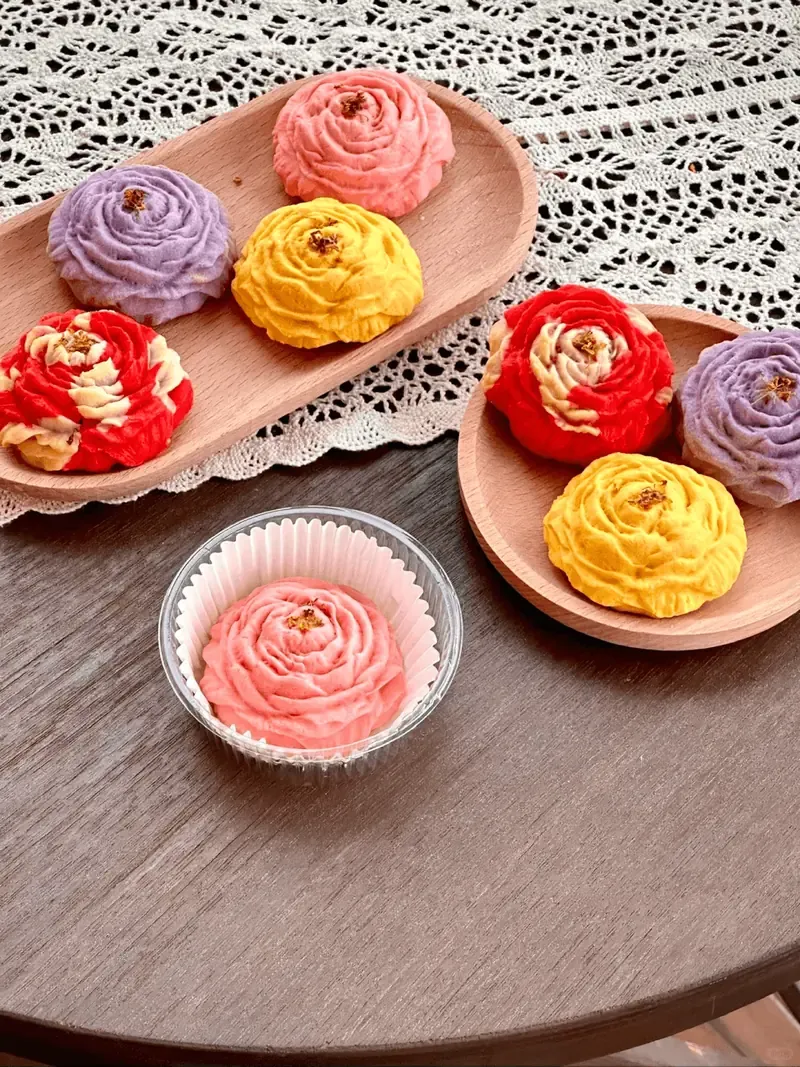
- Purple: Derived from Purple Sweet Potato Powder.
- Deep Red: Achieved using Hawthorn or Beetroot Powder.
- Soft Pink: Crafted with Rose Petal Powder or minimal pink food coloring.
- Vibrant Yellow: Created using Gardenia Yellow or Turmeric.
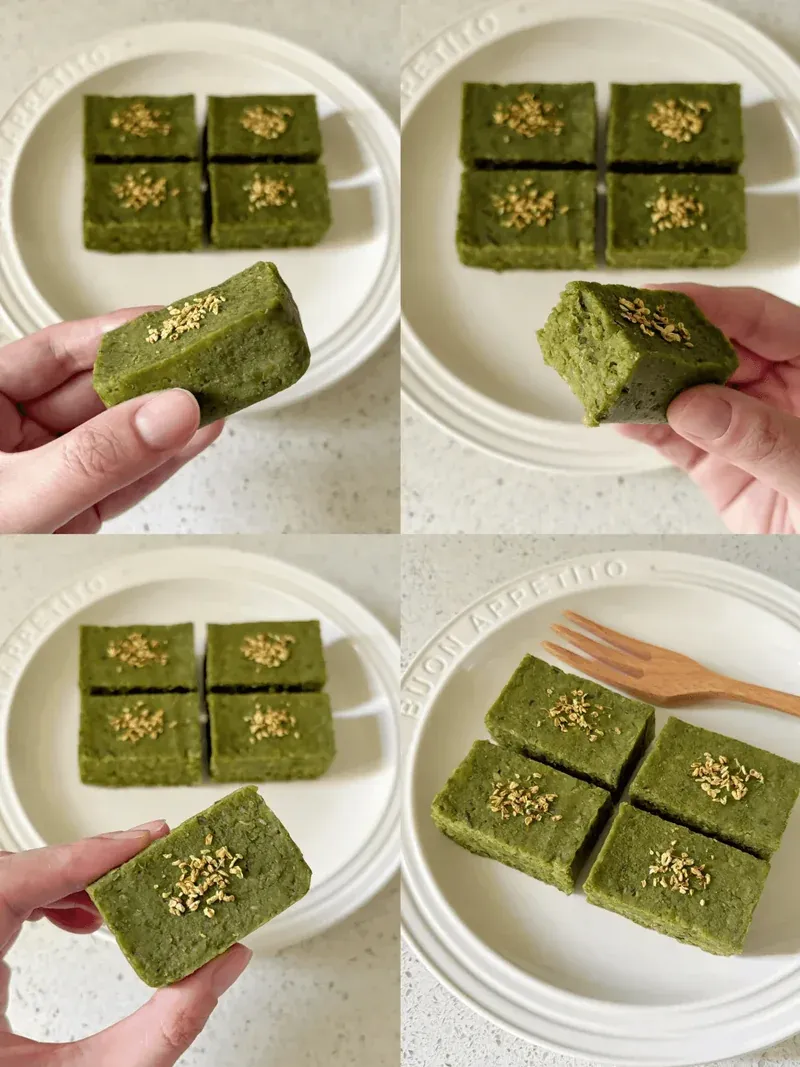
- Lush Green: From Longjing Green Tea or Matcha Powder.
Suggested Fillings (35g per pastry)
- Purple: Sweetened Purple Sweet Potato Mash.
- Deep Red: Tart and sweet Hawthorn Berry Paste.
- Soft Pink: Rose-infused Red Bean Paste.
- Vibrant Yellow: Pineapple Jam, reminiscent of traditional Pineapple Cakes.
- Lush Green: Longjing Tea & Osmanthus Paste.
🔪 Step-by-Step Guide: Crafting Floral Elegance
Step 1: Emulsifying the Base
Begin by whisking the lard and powdered sugar in a large mixing bowl until a creamy texture is achieved. Gradually add the milk, continuing to whisk until completely blended. Introduce the egg white in portions, whisking thoroughly until the mixture becomes smooth and well-emulsified.
Step 2: Forming the Dough
Sift the all-purpose flour and cornstarch into the emulsified liquid. Using a spatula or your hands, fold and knead the mixture until it forms a soft, pliable dough, reminiscent of playdough.
Step 3: Coloring the Dough
Divide the dough into portions of approximately 55g each. Add the desired vegetable powders or food coloring to each segment.
- Tip: When using vegetable powders like Matcha or Sweet Potato, add a few drops of milk to maintain dough moisture and prevent cracking.
Step 4: Molding and Filling (1:2 Technique)
- For each pastry, take a 55g portion of dough. Divide it into two parts: 1/3 for the base and 2/3 for the floral top.
- Press the larger portion (2/3) into a Peony Mold, ensuring all petal details are captured.
- Place 35g of filling in the center.
- Cover with the remaining 1/3 of the dough, pressing to seal securely.
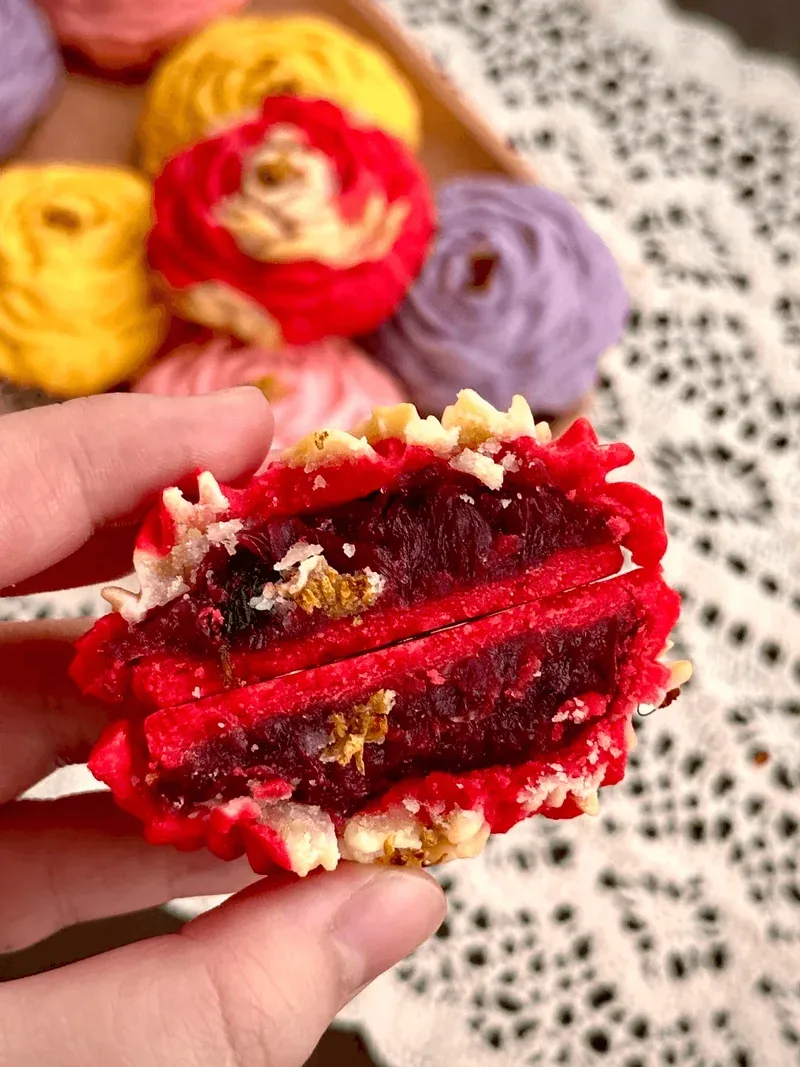
Step 5: Freezing and Unmolding
Freeze the filled molds for one hour to ensure a clean release. This “Flash Freeze” technique is crucial for defining each petal. After freezing, gently remove the pastries from the molds.
Step 6: Decorating the Center
Lightly brush the center of each pastry with egg yolk and add a few dried Osmanthus flowers or a drop of honey. For an opulent touch, brush the petal edges with edible gold powder post-baking.
Step 7: Baking to Perfection
Preheat your oven to 340°F (170°C) and bake for 20 minutes.
- Important: To retain vibrant colors and prevent browning, cover pastries with aluminum foil halfway through baking.
💡 Expert Insights
- Why Lard? Lard’s higher melting point compared to butter is crucial in pastry making, as it helps maintain the delicate shapes during baking, preventing them from collapsing.
- Cultural Revival: These pastries reflect China’s “Cultural Renaissance,” appealing to younger generations rediscovering traditional arts, adding a “cool” factor.
- Gift Tradition: Peony cakes make exquisite gifts, often exchanged during the Mid-Autumn Festival or Lunar New Year, symbolizing wishes of wealth and prestige.
🧪 Nutritional Information (Per Pastry)
- Calories: Approximately 290 kcal
- Protein: 4g
- Total Fat: 14g (Saturated fat varies)
- Carbohydrates: 38g
- Fiber: 2g (Higher with sweet potato filling)